
Every city has places where things happen.
A handful of places become part of history. Tropicana Caffe became one of them.
Today, Tropfest is recognised as the world’s largest short film festival. It has attracted audiences in the hundreds of thousands, launched careers across film and television, expanded internationally, and become one of the most influential platforms for emerging filmmakers anywhere in the world.
But none of that began with a business plan.
None of it began with investors.
None of it began inside a studio.
It began inside a café.
A café on Victoria Street, Darlinghurst.
Tropicana Caffe.
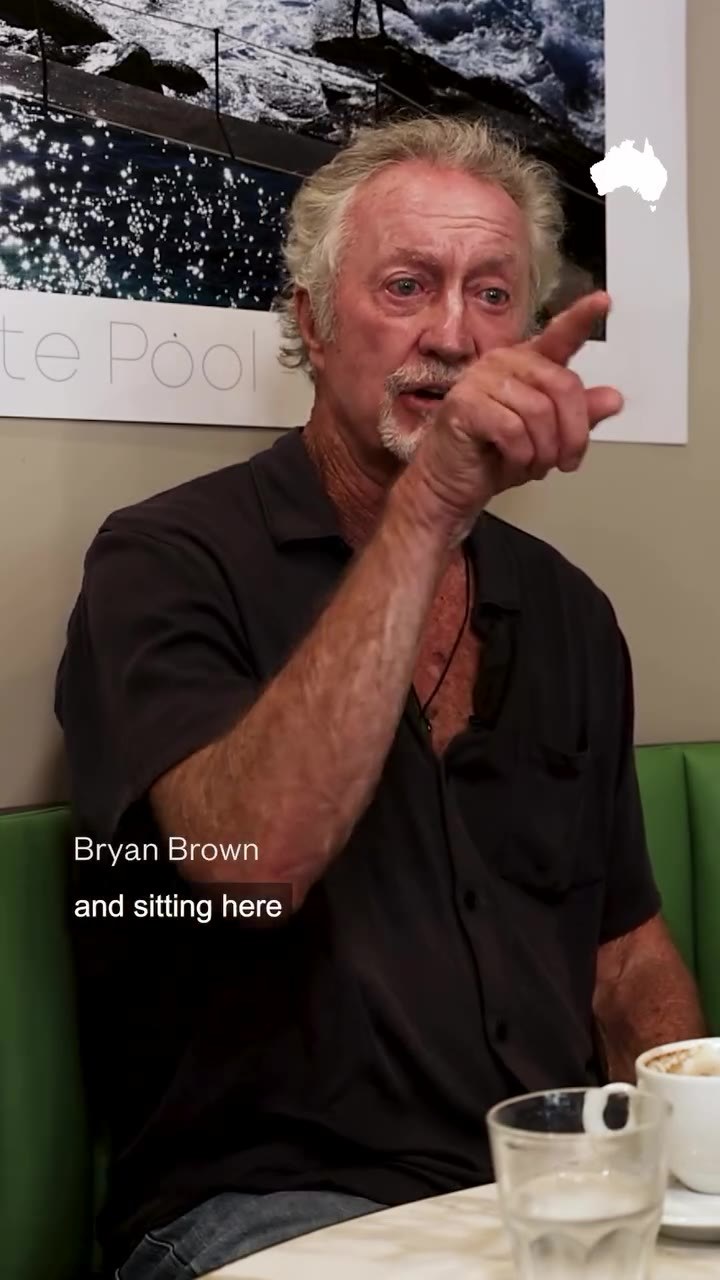
Polson & Bryan Brown, back at the Trop.
Recently, on Instagram, the men who built Tropfest came back to the room where it began. John Polson, who screened Surry Hills: 902 Spring Roll across the two laminex rooms in 1993. Bryan Brown, in the room where the legend was made.
The original room. The original story. Still on Victoria Street.
@tropicana_caffe · Instagram
Scripts over coffee. Films planned between meals.
To understand the story of Tropfest, you first have to understand what Tropicana Caffe was during the 1980s and early 1990s.
By then, the café had already become one of Sydney’s most important creative meeting places.
The room attracted writers, filmmakers, musicians, actors, artists and people trying to build something from nothing. Many arrived with big ambitions and very little money. The coffee was affordable. The welcome was genuine. Nobody hurried people out the door.
“The Trop was filled with people who were gunna … gunnamakeamovie, gunnawriteaplay, gunnabeabigstar.” Toby Creswell, Neighbourhood Paper
That wasn’t a romantic exaggeration.
The room genuinely functioned as an informal headquarters for a generation of emerging creative people.
Scripts were discussed over coffee.
Films were planned between meals.
Collaborations began across tables.
Friendships became creative partnerships.
People arrived carrying notebooks, camera ideas, unfinished screenplays and impossible ambitions. The room gave those ambitions somewhere to live.
Long before co-working spaces existed.
Long before social media.
Long before content creation became an industry.
There was Tropicana Caffe.
A young regular brought a short film.
In 1993, one of the regulars was a young actor and filmmaker named John Polson.
Polson had made a short mockumentary called Surry Hills: 902 Spring Roll, inspired by stories about life as a food courier moving through nearby Surry Hills.
Like many emerging filmmakers at the time, he needed somewhere to show it.
The solution was simple.
Show it at The Trop.
The screening wasn’t intended to launch a movement. It wasn’t designed as a film festival. It wasn’t positioned as a cultural event.
It was simply a gathering. Friends. Creatives. Regulars. A short film. A café.
The setup was gloriously improvised.
Two television sets.
Long VHS cables running between rooms.
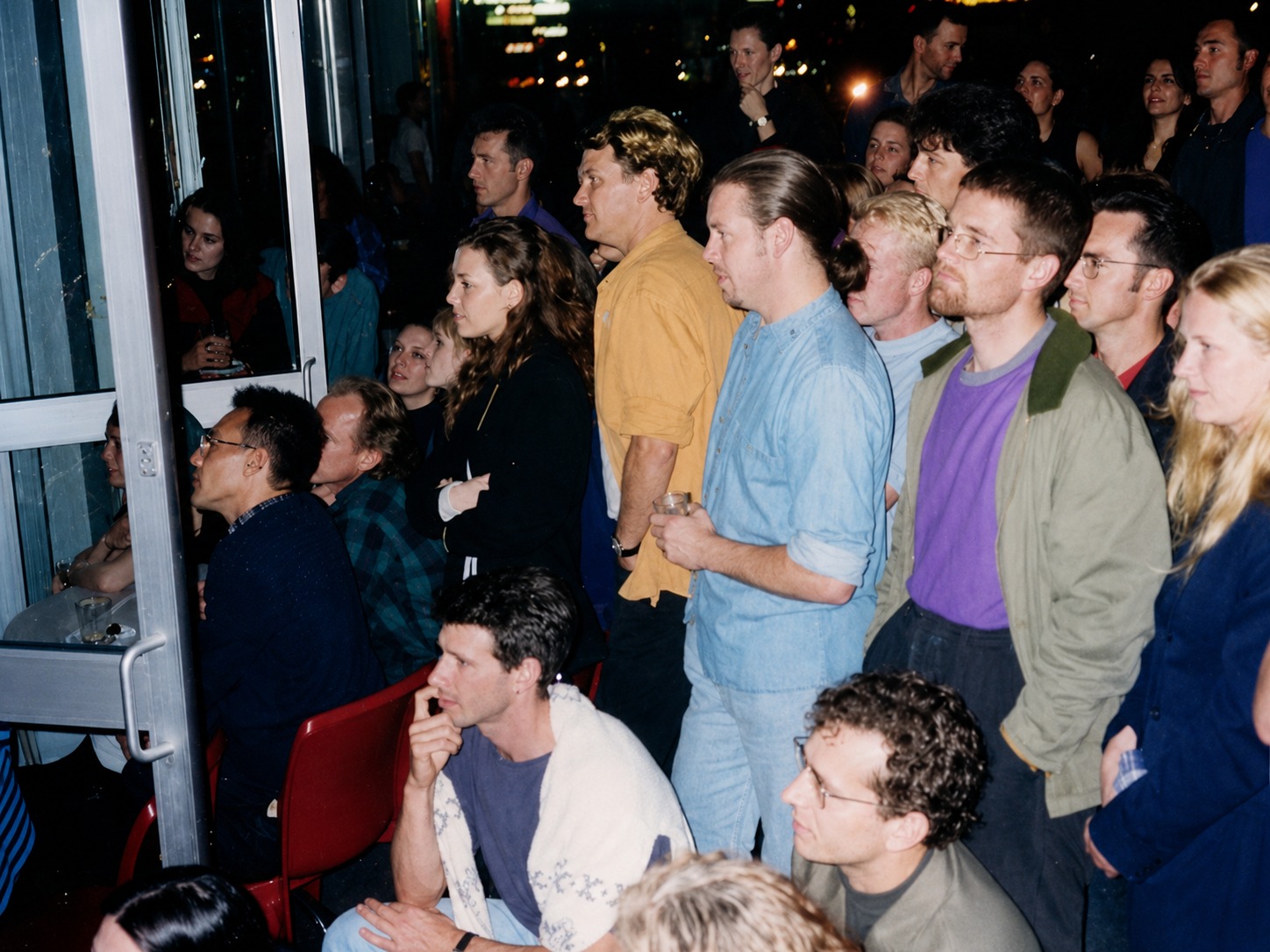
Around 200 people squeezed throughout Tropicana Caffe and spilled onto Victoria Street.
People stood wherever they could find space. The audience filled both laminex rooms. The atmosphere felt closer to a party than a formal screening.
And when the film ended, something unexpected happened.
The audience didn’t want the night to finish. They wanted another screening. Another filmmaker. Another event. Another chance to gather.
What nobody realised was that Australian film culture had just shifted.
Not inspired by the café. Named after it.
As more screenings followed, the event quickly began growing beyond what anyone expected.
Filmmakers wanted to enter. Audiences wanted to attend. The creative community rallied around the idea almost immediately.
Soon the gathering needed a name.
The answer was obvious.
The festival took its name from the café.
Tropfest.
Not inspired by the café.
Named after it. Born from it. Built inside it.
Without Tropicana Caffe, there is no Tropfest story.
The relationship was never symbolic. The café wasn’t a sponsor. It wasn’t a backdrop. It wasn’t a branding exercise.
The room itself was the foundation.
The festival emerged directly from the culture, people and atmosphere that Tropicana had spent more than a decade building.
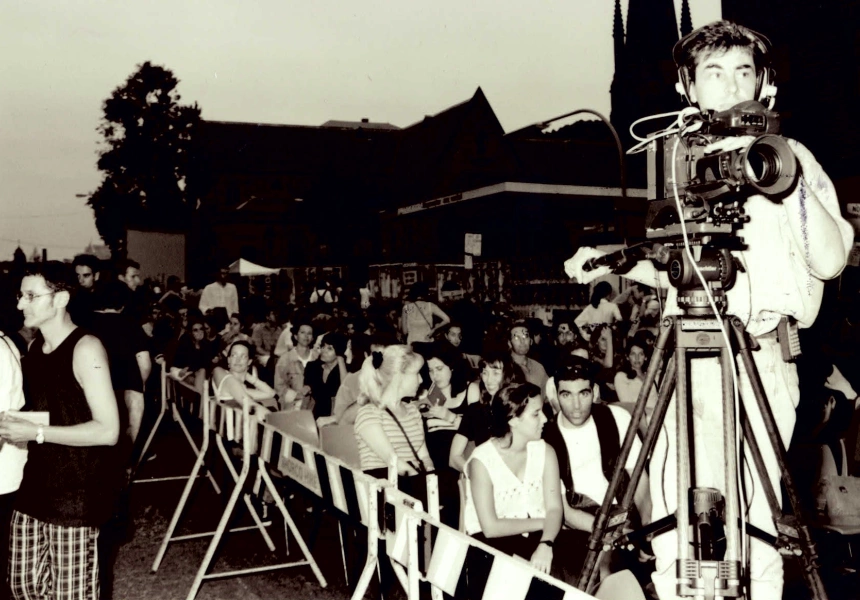
Beyond the two rooms.
By the mid-1990s the festival had outgrown the café, then its next venue, then the one after that.

150,000+ on the grass.
The festival found its famous home in Sydney’s Domain, where audiences grew into the hundreds of thousands.
Give emerging filmmakers an audience. See what happens.
What happened next remains one of the most remarkable stories in Australian creative history.
The crowds grew.
The films improved.
The reputation spread.
Eventually the festival outgrew the café. Then it outgrew its next venue. Then the next. Tropfest moved into larger public spaces before eventually finding its famous home in Sydney’s Domain, where audiences grew into the tens and then hundreds of thousands.
At its peak, Tropfest attracted crowds of more than 150,000 people, becoming the largest short film festival anywhere in the world.
What had started with two television screens and a crowd of 200 inside a Darlinghurst café had become a global cultural event.
International editions followed. The festival expanded into cities around the world. Millions of people encountered Australian short filmmaking through a platform that began on Victoria Street.
Yet despite that growth, the core idea remained unchanged.
Give emerging filmmakers an audience.
Give great stories a chance.
See what happens.
One short film. One screening. A career changed forever.
Many filmmakers who later built major careers first gained recognition through the Tropfest ecosystem. As David Michôd later reflected, the festival had the ability to change a career almost overnight.
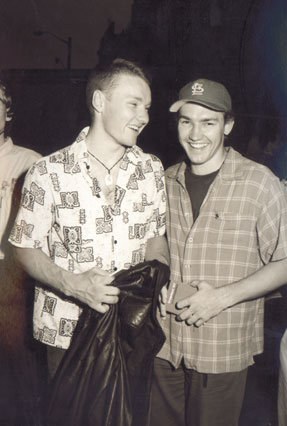
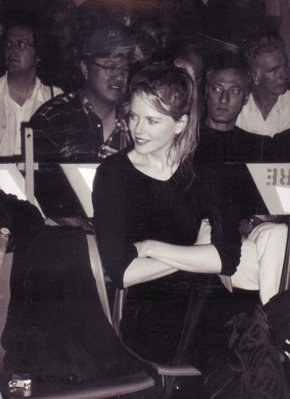
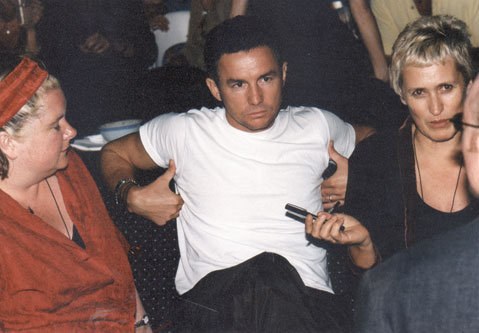
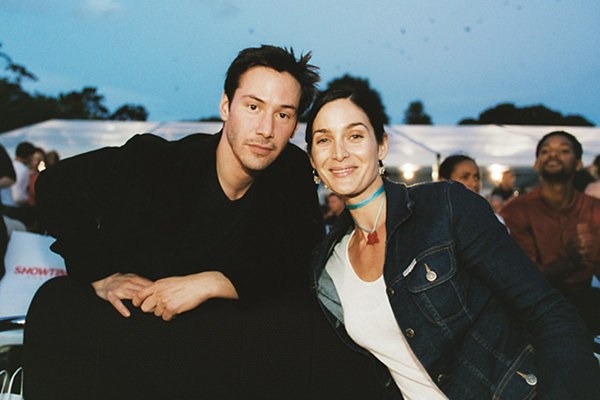
Names associated with Tropfest over the years include David Michôd, Justin Kurzel, Nash Edgerton, Joel Edgerton, Bruna Papandrea, Rebel Wilson, Sam Worthington, David Wenham and many others who went on to shape Australian and international screen culture.
Tropfest became an extension of the room that created it.
The success of Tropfest wasn’t really about film. At least not entirely.
It was about access.
It was about community.
It was about creating a space where emerging voices could be seen.
That philosophy mirrored the culture of Tropicana Caffe itself. The room welcomed everyone, students, artists, hospitality workers, filmmakers, dreamers.
Nobody arrived with status. People earned their place through ideas, persistence and creativity.
The festival simply carried that same spirit onto a much larger stage.
In many ways, Tropfest became an extension of the room that created it.

Great stories rarely end where people expect.
After years of extraordinary success, Tropfest faced financial difficulties, management challenges and eventually a prolonged hiatus. For a period, many believed the story had reached its conclusion.
In 2026, Tropfest returned.
More than 700 films were submitted. A new generation of filmmakers stepped forward. The festival was rebuilt under a new not-for-profit foundation with support from industry leaders, major partners and some of Australia’s most respected creative figures.
Not nostalgia. Proof that the original idea still mattered.
The original room.
The original story.
Recently, John Polson and Bryan Brown returned to Tropicana Caffe.
Back in the room where the first screening took place.
Back where the audience first gathered.
Back where Tropfest was born.
227 Victoria Street·Darlinghurst·Tropicana Caffe